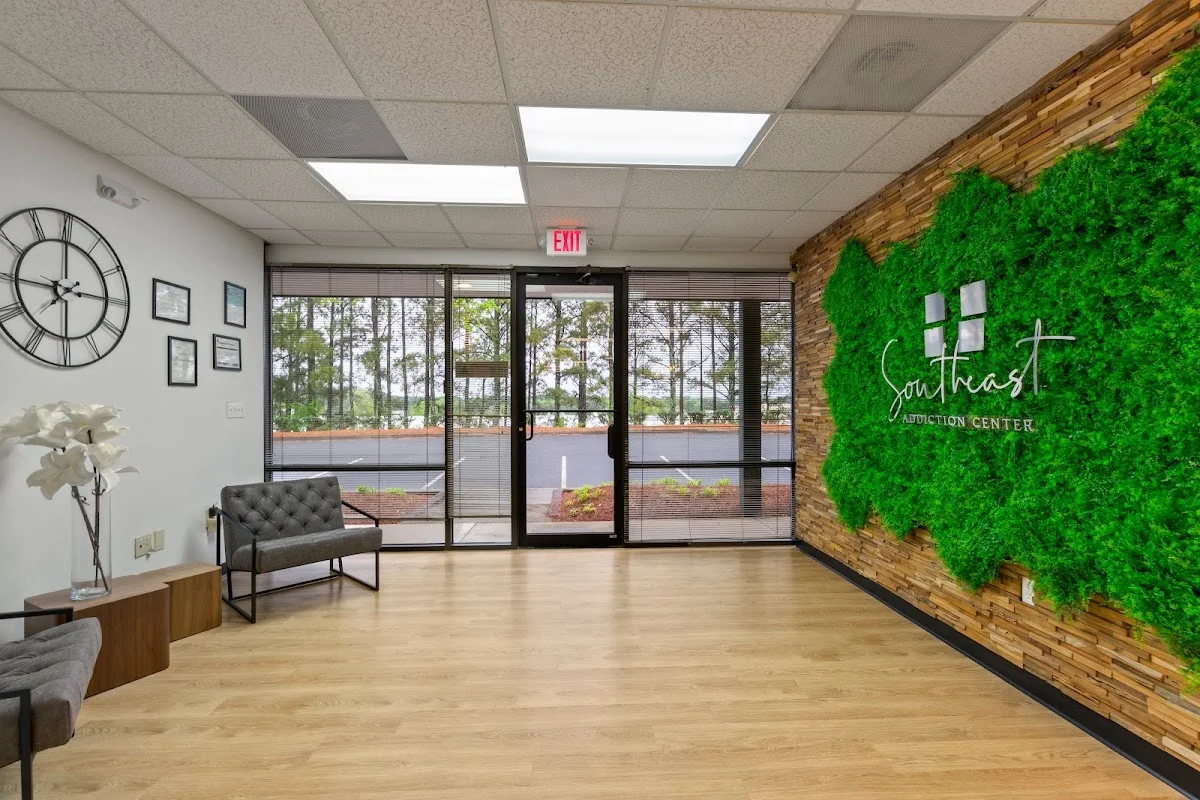

Finding the right addiction treatment center can be a crucial step in the journey toward recovery. In Atlanta, GA, a variety of facilities offer comprehensive services tailored to different needs. This guide will help you understand the types of treatment centers available, how to evaluate their quality, what to expect during the admission process, and more. Whether you or a loved one is seeking help, this information aims to empower you with the knowledge necessary to make an informed decision.
Types of Treatment Centers
Residential Treatment Centers
Residential treatment centers provide a structured environment where individuals can focus solely on their recovery. Patients live on-site and engage in various therapeutic activities, including:
- Individual counseling
- Sessões de terapia em grupo
- Life skills training
This immersive approach helps individuals build a supportive community while addressing their addiction issues.
Programas de Hospitalização Parcial (PHP)
Partial hospitalization programs offer a middle ground between inpatient and outpatient care. Patients attend treatment during the day and return home in the evenings. PHP is ideal for those who need intensive care but have a stable home environment. Services often include:
- Medical supervision
- Therapeutic activities
- Family counseling
Programas Intensivos de Tratamento Ambulatorial (IOP)
IOPs allow individuals to maintain their daily routines while receiving treatment. These programs typically involve several hours of therapy per week, focusing on:
- Coping strategies
- Relapse prevention techniques
- Support group meetings
IOPs are suitable for those who have completed a residential program or need less intensive support.
How to Evaluate Quality of Care
Accreditation
It's essential to ensure that the treatment center has proper accreditation. Look for certifications from reputable organizations such as:
- Commission on Accreditation of Rehabilitation Facilities (CARF)
- The Joint Commission
These accreditations indicate that the facility meets high standards of care and is committed to continuous improvement.
Staff Qualifications
Inquire about the qualifications of the staff members, including:
- Licensed therapists and counselors
- Medical professionals
- Support staff trained in addiction recovery
Staff experience and expertise play a significant role in the quality of care provided.
What to Expect During Admission
The admission process can be daunting, but understanding the steps involved can ease your anxiety. Typically, you can expect the following:
- Initial assessment: A comprehensive evaluation to determine the appropriate level of care.
- Personalized treatment plan: Based on the assessment, the facility will create a tailored plan for your recovery.
- Orientation: You'll be introduced to the facility, staff, and other patients, allowing you to acclimate to your new environment.
Average Cost and Length of Stay
The cost of treatment in Atlanta varies widely depending on the type of program and facility. On average:
- Residential treatment: $10,000 - $30,000 for a 30-day program.
- PHP: $500 - $1,000 per week.
- IOP: $250 - $500 per week.
Length of stay can also vary, with residential programs typically lasting 30 to 90 days, while PHP and IOP durations depend on individual progress.
Insurance-Accepted Facilities in Atlanta
Many treatment centers in Atlanta accept various insurance plans, making recovery more accessible. Common insurers include:
- Blue Cross Blue Shield
- Aetna
- United Healthcare
Check with the facility to determine if they accept your insurance and what services are covered.
State-Funded Options
For those without insurance or financial resources, Georgia offers state-funded treatment centers. These facilities provide essential services at little to no cost. Resources such as the Georgia Department of Behavioral Health and Developmental Disabilities (DBHDD) can help you locate these options.
Planejamento de cuidados pós-operatórios
An essential aspect of recovery is aftercare planning, which helps individuals transition back into daily life. Aftercare services may include:
- Continued counseling or therapy
- Support groups
- Moradias para pessoas em recuperação
Having a solid aftercare plan significantly reduces the risk of relapse and promotes long-term recovery.
How to Get Started
If you or someone you love is ready to seek help, take the first step by:
- Researching local treatment centers and their services.
- Contacting facilities to ask questions and schedule assessments.
- Involving supportive family members or friends in the process.
Remember, seeking help is a courageous step toward a healthier, more fulfilling life. You are not alone in this journey, and support is available.
Mais recursos de recuperação em Atlanta
- Atlanta Drug Rehab That Accepts Insurance: 2026 Guide
- Sober Living in Decatur and East Atlanta: 2026 Neighborhood Guide
- Opções de tratamento para dependência química em Atlanta: Encontrando o programa certo
- Conheça as Casas de Recuperação para Sobriedade em Atlanta.
- Encontre centros de desintoxicação em Atlanta
- Obtenha ajuda gratuita agora
Sober Network is a directory, not an intake form. Explore local facilities and contact providers directly.